
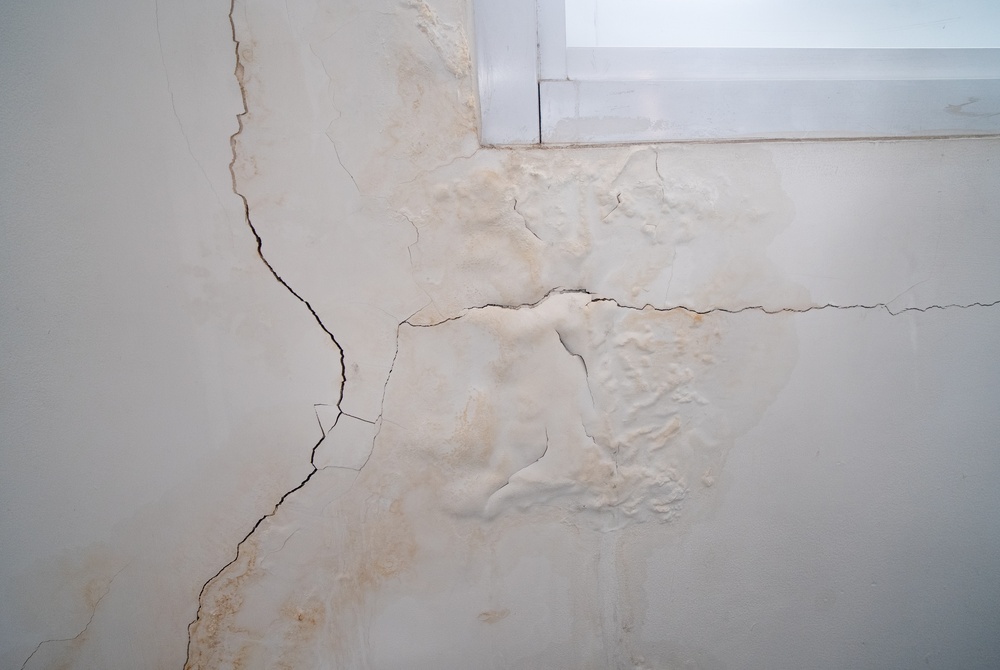
After a flood, families often focus on damaged floors, furniture, and walls. Yet the air inside a damp home also needs attention, especially when an older loved one has breathing problems. Moisture left behind can support mold growth long after the water is gone. For families considering assisted living in Covington, planning temporary support may be part of the recovery process. Protecting senior respiratory health means keeping loved ones away from unsafe spaces while arranging the care and daily help they need.
A Home Can Stay Damp After the Water Recedes
Floodwater can soak into carpet padding, cabinets, insulation, and other materials that are hard to dry. Even when the floor looks clean, hidden moisture may remain. Mold can grow behind walls or beneath flooring, where families cannot easily see it. The Centers for Disease Control and Prevention recommends fully drying flooded homes within 24 to 48 hours when possible. A musty odor or visible spots need attention, but the absence of a smell does not prove that everything is dry. Proper flood recovery includes checking materials beyond the surface.
Understand Who Faces Greater Breathing Risks
Some people develop a stuffy nose, irritated eyes, coughing, or wheezing around mold. Older adults with asthma, chronic obstructive pulmonary disease, or weakened immune systems need added protection. The CDC advises people with these conditions to stay out of moldy homes, even during cleanup. When exploring assisted living in Covington, explain your loved one’s health conditions before arranging a stay. Share any prescribed breathing treatments or equipment needs so the community can review whether its services match their care requirements.
Respond to New Symptoms Without Guessing the Cause
A cough after a flood does not always mean mold is responsible. Infections and other health problems can cause similar symptoms. Still, new wheezing, chest tightness, or shortness of breath should prompt a call to your loved one’s healthcare provider. Explain when symptoms began and whether they spent time in a damp or damaged building. Follow prescribed care instructions without changing medicines yourself. Severe breathing trouble, sudden confusion, or blue or gray lips calls for emergency care. Call 911 instead of waiting for symptoms to settle or assuming fresh air will solve the problem.
Check Humidity Before Dampness Becomes a Larger Problem
Even rooms that did not flood can become humid when nearby materials remain wet. The Environmental Protection Agency recommends keeping indoor humidity below 60%, ideally between 30% and 50%. A humidity meter can help track moisture in the air, though it cannot confirm that walls and floors are dry. Drying equipment should only be used once the building and electrical system are safe. Families comparing assisted living in Covington can ask how staff report leaks, damp areas, and other maintenance concerns that affect residents’ living spaces.
Keep Your Loved One Away from Cleanup Work
Sorting wet clothing or carrying damaged furniture may seem like small jobs, but they can expose someone to mold and contaminated materials. A senior with breathing problems should stay away while mold cleanup takes place. Widespread damage, sewage contamination, or suspected mold inside walls calls for qualified help. Cleaning must address damaged materials and the moisture source; covering stains with paint is not enough. Never mix bleach with ammonia or other cleaners. Dangerous fumes can result. Arrange safe housing before work begins so your loved one does not need to remain near the cleanup area.
Prepare a Care Plan for Time Away from Home
A temporary move works better when daily needs are planned in advance. Gather current medicine details, doctor contacts, clean clothes, and necessary personal supplies. Ask how prescriptions and equipment should be brought to the receiving community. Watercross offers respite stays, which families can ask about while a home is being repaired. Availability and care needs must be confirmed before admission. If you are researching assisted living in Covington, describe the help your loved one needs with meals, walking, bathing, and medicines. Leave damp or moldy belongings out of their packed bags.
Make the Return Home a Separate Decision
Finishing repairs does not automatically mean every part of a home is ready for an older adult’s return. Ask the restoration team whether the moisture source has been fixed, damaged materials have been addressed, and drying work is complete. A flooded or mold-affected heating and cooling system needs assessment by a qualified professional before use. For someone with ongoing breathing symptoms or a lung condition, discuss the return with their healthcare provider. Keep temporary support in place while remaining concerns are resolved, rather than choosing a return date based only on how the house looks.
Discuss Respite Care with Watercross
Managing home repairs while caring for an older relative can stretch a family’s time and energy. Short-term senior care may help maintain familiar routines and personal support during that period. If your family is exploring assisted living in Covington, call Watercross at (985) 317-2177. Ask about respite availability, explain your loved one’s needs, and learn whether the community can provide suitable care while you prepare for a safe return home.