
Choosing care for a loved one with Alzheimer’s disease or dementia can bring many questions. Families want their loved one to feel safe, respected, and comfortable in their new home. A community offering memory care in Covington provides daily support designed around the needs of people with memory loss. At Watercross, personalized memory support helps residents enjoy familiar routines, meaningful activities, and warm connections.
A Safe and Comfortable Place to Live
Memory loss can make it hard for a person to understand where they are or find their way around. A memory care community uses thoughtful layouts and safety systems to reduce confusion and protect residents. Comfortable rooms and familiar items from home can help the new space feel more welcoming. This secure environment gives residents room to move through their day while providing families with greater peace of mind.
Care Built Around the Individual
Every person experiences memory loss differently. Some residents may need reminders throughout the day, while others may need hands-on help with dressing, bathing, eating, or walking. Staff members learn about each resident’s health, routine, interests, and personal history. An individualized care plan allows the team to provide the right level of help while protecting the resident’s choices, comfort, and personal dignity.
Support from a Caring Team
Memory care staff members understand that changes in memory can affect speech, mood, sleep, and behavior. They use calm voices, clear directions, and a patient approach when helping residents. If a person becomes confused or upset, the team can offer comfort and guide them toward a familiar activity. This compassionate care helps residents feel respected, while 24-hour support means help is available during the day and at night.
A Familiar Daily Routine
A regular schedule can be comforting for people living with dementia. Knowing when to wake up, eat, rest, and take part in activities may make the day feel less confusing. Staff members can provide gentle reminders and guide residents from one part of the day to the next. A structured daily routine creates a sense of order, while familiar activities can make residents feel calmer and more secure.
Help with Personal Care
Daily tasks may become harder as memory loss grows. A resident may forget how to button a shirt, brush their teeth, or prepare for bed. Staff members can break tasks into simple steps and offer help without rushing the person. Respectful personal care assistance supports cleanliness and comfort while allowing residents to do what they can. This approach can protect both independence and confidence.
Medication and Health Support
Keeping track of medicine can be unsafe for someone with memory loss. A resident may forget a dose or take the wrong medicine. At Watercross, RN medication management helps residents follow their care plans. The team can also communicate with families and healthcare providers when needed. Reliable medication management and close health coordination help families feel confident that important daily needs are being handled.
Meals in a Social Setting
Memory changes can affect appetite and eating habits. A resident may forget to eat, have trouble choosing food, or feel uncomfortable during a busy meal. A calm dining space and regular meal schedule can make eating easier. Watercross provides home-cooked meals, including Cajun and Creole favorites, in a welcoming setting. Family-style dining gives residents a chance to enjoy food while spending time with others.
Activities That Offer Joy and Purpose
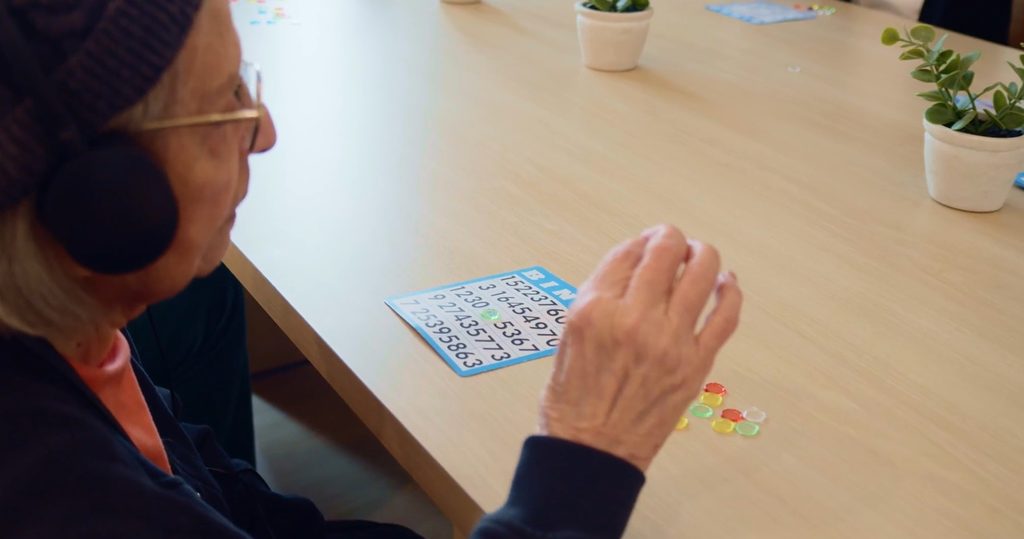
Activities in memory care are not just ways to pass the time. They can help residents use familiar skills, express themselves, and connect with others. Music, art, gentle movement, simple games, gardening, or looking through family photos may bring comfort. Watercross offers scheduled activities along with music and sensory engagement. These meaningful activities are planned around residents’ abilities and interests.
Opportunities for Safe Movement
Staying active can support strength, balance, and mood. In memory care, movement should match each resident’s health and ability. A short walk, seated movement, or gentle dancing may be a good choice. Watercross has a beautiful outdoor area where residents can walk and socialize with support. Safe physical activity adds movement to the day, while outdoor time can provide a pleasant change of setting.
Respectful Ways to Handle Difficult Moments
A person with dementia may become anxious, repeat questions, resist help, or search for a family member. These actions are often a way of showing fear, pain, or an unmet need. Memory care staff members look for what may be causing the distress and respond with patience. Calm redirection can guide the resident toward a safer activity, while gentle communication helps avoid arguments and added confusion.
Regular Communication with Families
Families remain an important part of a resident’s life after a move to memory care. Staff members can share updates about daily routines, health needs, meals, activities, and changes in behavior. Families can share personal stories, favorite songs, former hobbies, and other details that help the team understand their loved one. This family involvement supports better care and builds open communication between relatives and staff.
An Adjustment Period After the Move
Moving to a new home can be confusing for a person with memory loss. Some residents adjust quickly, while others need more time. Familiar furniture, photos, blankets, and music may make the room feel more like home. Regular visits can help, but families should follow the care team’s advice about timing. A patient adjustment period gives the resident time to learn new routines and build trusted relationships.
Memory Care at Watercross
Families exploring memory care in Covington can expect more than help with daily tasks. At Watercross, residents receive personalized support, medication management, nutritious meals, scheduled activities, and care available around the clock. Our goal is to create a comfortable senior community where each person is treated with kindness and respect.
Call Watercross Assisted Living at (985) 317-2177 or schedule a personal tour to learn how our memory care community can support your loved one and your family.